The Lanes at Oslo Blog | San Marcos Living Guides, TXST Tips & Community News

Furnished vs. Unfurnished: The Real Cost for TXST Students-image

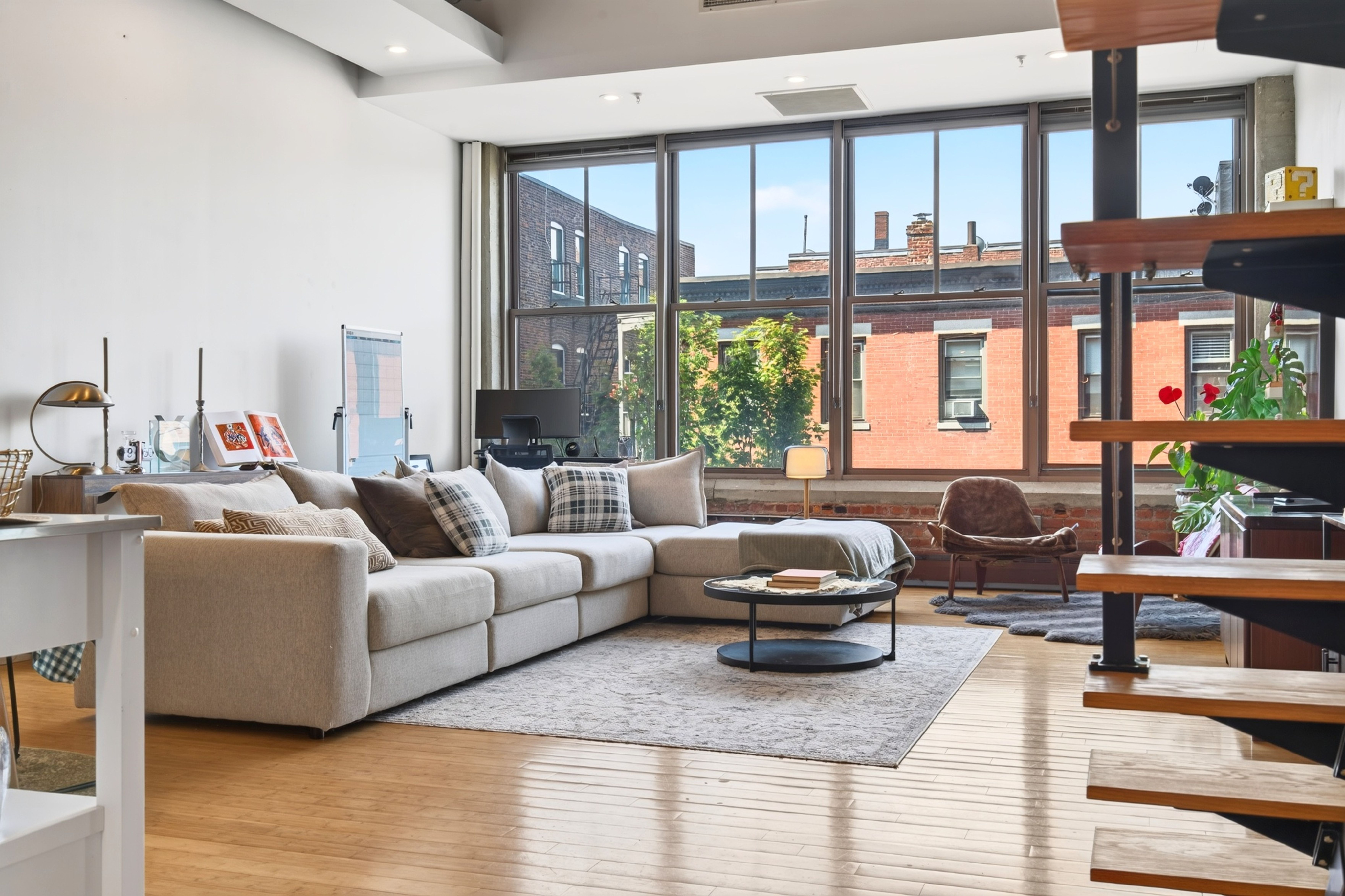
Quick Answer: Furnished vs. Unfurnished comes down to one number: the monthly furniture premium compared with what you'd spend furnishing a place yourself. Renting furnished saves upfront cash and moving hassle on short leases. Unfurnished usually wins when you already own furniture or plan to stay in San Marcos for several years. Choosing between furnished vs. unfurnished is one of the first real money decisions Texas State students make after the dorms. Rent alone tells half the story. A bare apartment comes with a shopping list, while a furnished one folds that cost into your lease. The Lanes at Oslo, serving TXST students and young professionals in San Marcos just off I-35, offers studio and one-bedroom apartments near Texas State with furnished options in select units only, so you can price both paths in one place. What to Look For in a Furnished vs. Unfurnished Lease Start with the inventory, not the photos. A furnished lease should list every item the landlord provides and note its condition on move-in day. An unfurnished lease should spell out which appliances stay with the unit. Those documents decide what you're actually paying for, so read them before you compare rent. Furnished Definition The basic furnished definition is a unit where the landlord supplies the movable furniture you need to live there day to day. It usually starts with a bed and mattress and often adds seating and a place to eat. Packages vary a lot. Some include a desk and dresser, while others stop at the bed, so ask for the written list before you sign. Unfurnished Definition The unfurnished definition is simpler: you get the shell of the apartment plus its built-in appliances, and you bring everything else. Beds, couches and desks are yours to source, haul and assemble. At The Lanes at Oslo, the washer and dryer in the unit (select units only) is one built-in worth confirming on your tour, since that's one big purchase you won't have to make. What Does an Apartment Without Furniture Cost to Set Up? An apartment without furniture costs more on day one than most students expect. Federal spending data shows young households already put real money into furnishings every year, and a first apartment means buying the big pieces all at once. According to the Bureau of Labor Statistics Consumer Expenditure Survey for 2024 , the average U.S. household spent $2,414 that year on household furnishings and equipment. Households headed by someone under 25 spent $1,543. Of that, $435 went to furniture alone. One caveat matters here. Those are yearly averages spread across millions of households, including plenty that bought nothing new that year. Furnishing an empty studio from scratch is a bigger one-time hit, and your number will swing a lot depending on how much you buy secondhand or borrow from family. Watch the Rent-to-Own Shortcut Rent-to-own furniture looks like an easy fix for an empty apartment. It often isn't. The Federal Trade Commission warns that some rent-to-own and lease-to-own plans can cost twice what you'd pay in cash, and a missed payment can mean losing the item along with the money already paid toward it. If a furnished unit is on the table, compare it against the cash price of buying, not against a weekly payment plan. Is Renting Fully Furnished Worth It for TXST Students? Renting fully furnished usually pays off when your lease is short and you don't own furniture yet. It loses ground the longer you stay, because a furniture premium keeps billing you every month, while furniture you bought stops costing anything once it's paid for. Your timeline in San Marcos is the deciding factor. Mobility is the hidden cost in a college town. U.S. Census Bureau QuickFacts shows that 67.8% of San Marcos residents lived in the same house a year earlier, based on 2020 to 2024 estimates, and just 30.8% of housing units are owner-occupied. Put simply, roughly a third of the city moved within a year, and most households rent. Every move with your own furniture means another truck rental or another round of selling things online. Cost Factor Furnished Unfurnished Move-in spending Low, since the furniture is already in the unit Higher, with a bed, seating, a desk and kitchen basics to buy Monthly rent Includes a furniture premium or fee Base rent only Move-out effort Pack clothes and personal items Move, store, sell or donate every piece Deposit exposure Covers the unit and the provided furniture Covers the unit only Personal style Limited to the pieces provided Completely your call Best fit Short leases, first apartments, out-of-town students Multi-year stays, renters who already own furniture Run the Break-Even Math Here's the cleanest way to settle the furnished vs. unfurnished question for your own budget. Take what you'd spend furnishing the place yourself and divide it by the number of months on your lease. If the furnished premium comes in below that number, furnished wins. Say your setup bill matched the $1,543 BLS figure for under-25 households. On a 12-month lease, the break-even point is about $129 a month. On a 9-month lease, it climbs to roughly $171. Then subtract whatever you could resell your furniture for later, or spread the cost across a second lease if you plan to keep it. Choosing a Furnished or Unfurnished Apartment at The Lanes at Oslo Deciding between a furnished or unfurnished apartment gets easier once you can see the space. Browse the studio and one-bedroom floor plans to match square footage against the furniture you already own. Then open the photo gallery and virtual tour to picture how a furnished layout fits your routine. Because the community is all-inclusive, with utilities bundled into rent, the furniture premium is the main variable left to compare. Frequently Asked Questions 1. Do apartments come with furniture in San Marcos? Most standard apartments don't come with furniture unless the listing specifically says furnished. Student-focused communities near Texas State are more likely to offer a furnished option, sometimes only in certain layouts. At The Lanes at Oslo, furnished options are available in select units only, so ask the leasing office which floor plans qualify before you apply. 2. Can a Texas landlord charge my deposit for worn-out furniture? Not for normal wear. The Texas State Law Library explains that the Texas Property Code bars landlords from keeping any part of a deposit for normal wear and tear, and that standard extends to equipment and chattels, meaning movable items like furniture. Damage from carelessness or accidents is different and can be deducted. 3. What should be on a furnished apartment inventory list? Ask for a signed list at move-in that covers: Every furniture piece, noted by room Existing scratches, stains or loose joints Mattress condition and any protector requirement Who handles repairs if something breaks Dated move-in photos that you both keep 4. Is an unfurnished apartment cheaper in the long run? Often, yes, if you stay put. An unfurnished apartment carries no furniture premium, and the pieces you buy can follow you to your next lease. The math flips for students who move every year or leave San Marcos right after graduation, since hauling or reselling furniture eats into whatever you saved. 5. Can I bring my own furniture into a furnished unit? That depends on the property's policy, so get the answer in writing. Some landlords allow a few personal pieces, while others won't store or remove the furniture they provide. If you already own a bed or desk you love, an unfurnished unit may be the better match. Conclusion: Make the Furnished vs. Unfurnished Call Before You Sign The furnished vs. unfurnished decision is really a math problem with a moving truck attached. Price your setup and divide it by your lease months. Then hold that number up against the furniture premium. Students on short leases near Texas State usually come out ahead furnished, while multi-year San Marcos renters with their own pieces lean unfurnished. The Lanes at Oslo sits 3.7 miles from campus, and you can check the neighborhood map and directions before you tour. When you're ready to weigh both options side by side, contact the leasing team and ask which units come furnished.

Read more
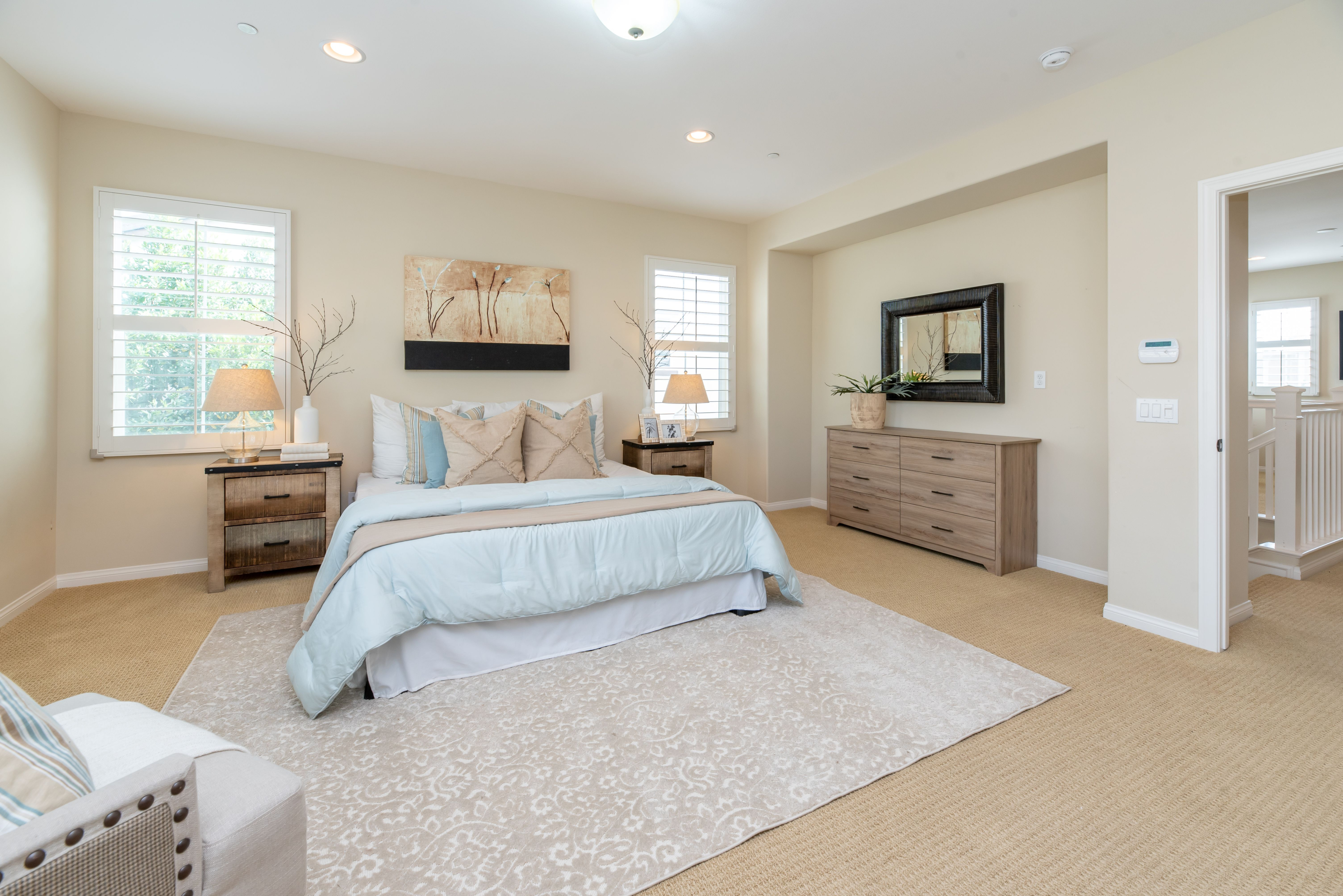

Furnished Apartments Near Texas State: Easy San Marcos Moves-image

Quick Answer: Furnished apartments near Texas State suit renters who need to move in quickly without buying furniture. That usually means upperclassmen leaving the residence halls, graduate and international students, interns, and travel nurses. At The Lanes at Oslo in San Marcos, furnished options are available in select units only, so confirm which floor plans have them before you tour. Furnished apartments near Texas State solve a very specific problem in San Marcos: you need a bed and a couch on move-in day, but you don't want to rent a trailer to get them there. That describes more people than you might expect. The Lanes at Oslo apartment community serves Texas State students and working professionals from the I-35 frontage road, about 3.7 miles from campus, with studio and one-bedroom homes and furnished options in select units only. What to Look For in Furnished Apartments Near Texas State Start with what's physically inside the unit, then check the lease length and the drive to campus. A furnished label can cover anything from a complete living room set to a bed frame and one desk chair. That gap matters a lot when you're comparing listings across San Marcos, because two furnished units can feel completely different on move-in day. Get the Furniture List in Writing Ask for an inventory before you sign. A written list protects you at move-out, when the question becomes who pays for a scratch that was already there. Even a well-stocked unit may leave bedding and kitchenware to you. Ask whether furniture can be removed if you'd rather bring your own, and whether a separate furniture fee applies. Policies differ from property to property. The leasing office is the only reliable source. Match the Lease to Your Calendar As of October 2026, the studio and one-bedroom floor plans at The Lanes at Oslo list lease terms from 9 to 15 months. That range covers an academic year or a typical long work contract without locking you into two years. Studios start around 300 square feet, and the largest one-bedroom layout runs about 741. Distance counts too. The average San Marcos commute is 24 minutes according to U.S. Census Bureau data, so a 3.7-mile trip to campus keeps your daily drive short by local standards. Who Are Furnished TXST Apartments Actually For? Furnished TXST apartments work best for renters whose stay has a clear end date, or who arrive with little more than a suitcase. Texas State's growth keeps widening that group. The university reported a record 44,596 students in fall 2025, a 9.6% jump over the previous year, and every one of them needed somewhere to sleep. Upperclassmen Moving Out of the Residence Halls Texas State requires students who graduated from high school within the 12 months before admission to live on campus. So most sophomores are signing their first apartment lease, and residence hall rooms come with basic furniture. Plenty of second-year students own very little furniture of their own. Buying a couch and a mattress for a single 12-month lease, then moving them again next August, rarely pencils out. A furnished unit skips both trips. TXST Student Apartments for Graduate and International Students Fall 2025 brought 5,215 graduate students to Texas State, and international enrollment hit a record 2,083. International students can't ship a bedroom set across an ocean, and many land only days before classes start. Graduate students often want something different from a shared unit: a quiet studio where research and sleep don't compete with three roommates' schedules. Apartments in San Marcos for Travel Nurses and New Hires Not everyone searching is a student. Healthcare workers on fixed-length assignments near CHRISTUS Santa Rosa Hospital San Marcos need a home that's ready on day one, and so do new hires who want a landing spot before they buy. The city is moving fast. U.S. Census Bureau QuickFacts estimates San Marcos reached 77,830 residents in July 2025, up 14.9% since 2020. Only about 31% of homes are owner-occupied, and roughly one in three residents lived at a different address a year earlier. If you're weighing furnished apartments housing against an empty unit for a nine-month stay, skipping the furniture purchase is a real advantage. Furnished isn't for everyone, though. If you already own pieces you love, or you plan to stay three or four years, an unfurnished unit gives you more control over how your home looks. Furnished vs. Unfurnished San Marcos Apartments: How Do They Compare? The core tradeoff is privacy against setup effort. The range of student housing San Marcos offers runs from furnished residence halls to large off-campus complexes built around shared units. Texas State's off-campus housing portal, for example, lists Redpoint San Marcos with two- to four-bedroom floor plans. Studios and one-bedrooms sit at the other end, built for one person or a couple. Housing Type Furniture Privacy Best For Ask Before Signing TXST residence hall Basic furniture provided Roommates are common First-year students covered by the live-on rule Hall rules on what you can bring Shared multi-bedroom student complex Varies by property Shared living areas Students who want roommates Whether the lease is per bedroom or per unit Unfurnished apartment None Depends on floor plan Long-term renters who own furniture Your cost to furnish and move in Studio or one-bedroom at The Lanes at Oslo Furnished options in select units only Your own apartment Students and professionals who want their own space Which floor plans have furniture right now Photos tell you more than any description. Browse the photo gallery and virtual tour to see how a studio layout fits a bed and a sofa in the same room. If your idea of student living San Marcos style means fewer roommates and less moving, a furnished studio deserves a close look. Frequently Asked Questions 1. Can first-year students rent furnished apartments near Texas State? Usually not right away. The Texas State catalog requires students who graduated from high school within the 12 months before their admission to live in on-campus housing. Exceptions exist in limited cases, and the rules can change, so check with the university's Department of Housing and Residential Life before signing any off-campus lease. 2. What should I ask before signing a furnished lease? These five questions cover most move-in and move-out surprises: Which pieces of furniture are included, in writing? Is there a separate furniture fee or a different rate? Can furniture be removed if I bring my own? How is furniture damage handled at move-out? Which floor plans have furnished units available now? 3. How far is The Lanes at Oslo from Texas State? The property website lists The Lanes at Oslo as 3.7 miles from Texas State University. The community sits on the I-35 South Frontage Road, which also keeps Austin and San Antonio within easy reach for weekend trips or work. Check the neighborhood map and driving directions to plan your exact route to campus. 4. How do I vet furnished apartments near me before paying a deposit? Tour first, in person or by video, and pay only through the property's official channels. The Federal Trade Commission's guide to spotting rental listing scams warns against anyone who pressures you to decide fast or demands payment by wire transfer or gift card. Scammers often copy photos from real listings, so confirm the unit on the property's own website. 5. Do furnished apartments cost more in San Marcos? Furnished layouts can carry a different rate than unfurnished ones, and pricing shifts with availability. Compare any difference against the cost of buying furniture and moving it twice, once in and once out. For current numbers on furnished units, contact the leasing team directly. Choosing Furnished Apartments Near Texas State in San Marcos Furnished apartments near Texas State make the most sense when your stay has an end date or your moving budget is tight. That covers a big slice of San Marcos: sophomores fresh out of the dorms, graduate students, international arrivals, and healthcare workers on assignment. If that sounds like you, ask the leasing team at The Lanes at Oslo which furnished options are open right now. They're offered in select units only, so a quick call before your tour saves you time.

Read more
On-Site Pet Parks: What Great Ones Have and How to Use Them-image

Quick Answer: On-site pet parks are fenced areas inside an apartment community where residents can exercise and socialize their dogs without leaving the property. The best on-site pet parks have a double-gate entry, durable ground cover, shade, waste stations and posted rules. Confirm the leash policy before your first visit, and clean up after your dog every time. About 38% of U.S. households have at least one dog, by the CDC's estimate , and plenty of those dogs live in apartments. On-site pet parks give them a place to run that doesn't start with a car ride. They aren't all built the same, though. Below is what to check on a tour and how to use the park once you move in, with examples from San Marcos, Texas, where The Lanes at Oslo lists an outdoor pet park among its community features. What to Look For in On-Site Pet Parks Look for five things: secure fencing with a double-gate entry, a surface that drains and stays clean, some shade, stocked waste stations and posted rules. Size matters less than most people expect. A small park that's fenced well and cleaned often beats a big one with a gap under the fence. Fencing and a Double-Gate Entry Walk the fence line on your tour. You're looking for gaps near the ground and loose panels a determined terrier could squeeze through. A double-gate entry, two gates with a small holding pen between them, lets you unclip the leash once the outer gate shuts, so no dog bolts into the parking lot. Ground Cover and Shade Grass looks great in listing photos and turns to mud after one good storm. Artificial turf and pea gravel drain faster and stay cleaner, though turf heats up in direct sun. Shade is easy to overlook on a tour. A mature tree or a shade sail decides whether the park gets used at 3 p.m. in July or sits empty until sundown. Waste Stations and Water Bag dispensers and lidded trash cans belong at the gate, not across the property. Ask how often staff empty them and clean the park. A water spigot is a plus, but bring your own bowl, since a shared dish can pass germs from dog to dog. Here's the catch: amenity lists rarely tell you any of this. A "pet park" could be a quarter-acre with agility gear or a fenced strip by the parking lot, so see it in person or check the photo gallery and virtual tour before you apply. How Do You Use an Apartment Dog Park Safely? Get the paperwork right first. Your dog's vaccines should be current, and the community should have your pet approved. Then confirm whether the park is leash-free. Once inside, watch your dog instead of your phone and pick up waste right away. An apartment dog park works when every owner follows the same few rules. Before the First Visit The CDC advises keeping dogs current on routine vaccines like rabies and asking your vet about extras, such as kennel cough, if your dog is often around other dogs. At The Lanes at Oslo, the pet policy requires every pet to be approved through PetScreening, with a current rabies certificate and core vaccinations on file, before it comes onto the property. Next, read the leash rule closely. Some pet policies require dogs to stay leashed and under physical control anywhere outside the apartment, which can include the pet park. Ask the leasing office whether the park is an exception before you unclip. Once You're Inside the Gate Unclip only after the outer gate has shut behind you. Then watch. Stiff posture or a dog that keeps getting pinned in a corner means it's time for a break. Pick up every time. CDC guidance also says to wash your hands after contact with dog poop, even through a bag, and lists hookworm and roundworm among the germs dogs can pass to people. Waste left on the ground doesn't stay put, either. The EPA counts pet waste as a source of bacteria and nutrients in urban stormwater runoff. After each visit, run your hands over your dog's coat. The CDC recommends daily tick checks for dogs that spend time outdoors, especially around the ears and between the toes. In a Central Texas summer, go early or after sunset, and press your palm on the turf first. Too hot for your hand means too hot for paws. Which Pet Amenities at Apartments Matter Beyond the Park? A pet park gets the attention, but daily life with a dog depends on smaller pet amenities at apartments: a relief area near your door, waste stations along walking routes, somewhere to rinse muddy paws and a pet policy you can actually read. Demand is real. In the 2022 NMHC and Grace Hill Renter Preferences Survey, 44% of renters expressed interest in a property dog park, and about a third lived with a pet or service animal. No wonder so many listings advertise apartments with pet park access. The table below pairs each feature with a question for your tour. Feature What It Is Best For Ask on Your Tour On-site pet park Fenced play area inside the community Daily exercise and socializing Is it off-leash, and what are the hours? Pet relief area Grass or turf for bathroom breaks Late-night trips outside How close is it to my building? Waste stations Bag dispensers and trash cans Every walk Who restocks them, and how often? Pet wash station Tub or grooming area Muddy paws and heavy shedders Does it need to be reserved? Written pet policy Rules on breeds, pet limits and screening Every pet owner Can I read the full policy before I apply? Is an Automatic Doggy Door Worth Asking About? Some renters search for an automatic doggy door so a dog can let itself out to a patio. In an apartment, that's a long shot. Installing one means altering a door, which usually needs written permission, and policies like The Lanes at Oslo's rule out unattended pets on patios and balconies. A short walk to the relief area is the practical answer. Frequently Asked Questions 1. Are apartment complexes with dog parks always off-leash? No. Some apartment complexes with dog parks let dogs run free inside the fence, while others require a leash anywhere outside your apartment, park included. The rule lives in the pet policy or lease addendum, not the amenity list, so ask the leasing office and get the answer in writing. 2. How do I find apartments near me with dog parks? A search for pet friendly apartments near me can return hundreds of listings. To narrow them down: Filter by "dog park" or "pet park," not just "pets allowed." Check each community's own website, since third-party listings go stale. Ask for photos or a walk-through of the park itself. Request the full pet policy before you apply. 3. Do apartments with dog parks cost more? Not always in a line you can see. Many communities charge pet fees or monthly pet rent per animal whether or not there's a park. Fees vary by property, so ask the leasing office for the current schedule before you sign. 4. Is an on-site pet park enough exercise for a dog? For a small or older dog, a few laps of the park plus regular walks often covers it. High-energy breeds usually need longer walks or weekend trips to a bigger public park. Treat on-site pet parks as the everyday option, and ask your vet how much activity your dog needs. 5. Does The Lanes at Oslo have an on-site pet park? Yes. The Lanes at Oslo in San Marcos lists an outdoor pet park among its community amenities . It accepts domestic dogs and cats, up to two per apartment, and every pet is registered through PetScreening before move-in. The leasing team can share current park rules and pet fees. Conclusion On-site pet parks earn a spot on your tour checklist when the basics are right: a fence you trust, a surface that drains, real shade and a waste station by the gate. Read the pet policy before you fall for the park. Comparing pet friendly apartments in San Marcos? The Lanes at Oslo offers studio and one-bedroom floor plans with an outdoor pet park on site. Message the leasing team to ask about park rules or set up a tour.

Read more
Apartment Pools in Central Texas: Getting Your Money's Worth-image

Quick Answer: Apartment pools in Central Texas are worth paying for when you can use them most of the year. National Weather Service normals for Austin put daily highs at 80 degrees or above from mid-April to late October. Before you sign, ask how the pool is billed and what hours it keeps. A pool is one of the first things renters ask about and one of the last things they price out. Apartment pools in Central Texas have a long season to work with, and that changes what they're worth. The Lanes at Oslo serves renters in San Marcos and along the I-35 corridor between Austin and San Antonio, so this guide leans on local weather records and Texas pool law. What to Look For in Apartment Pools in Central Texas Look for four things: a pool you can reach quickly from your front door, posted hours that fit your schedule, a clear answer on how the pool is billed, and signs of regular upkeep. A pool that checks all four gets used. One that misses two turns into a charge you pay and walk past. Apartment Features That Decide How Often You Swim Distance matters more than size. A small pool one elevator ride away will see more of you than a large one across the parking lot. Shade and seating count for the same reason, because nobody stays long on bare concrete in August. Ask whether the pool is indoor or outdoor, and whether it's heated. Among apartment amenities, the pool is the one most tied to weather, so those two answers decide how many months you'll get out of it. At The Lanes at Oslo, the swimming pool sits alongside a bowling alley and a fitness center, and the photo gallery shows the shared spaces before you tour. Pool Rules Texas Requires Every Community to Post Most of what's printed on a pool sign comes from the state. The Texas Department of State Health Services pool standards , in effect since April 26, 2024, call for posted hours, a maximum user load, no glass in the pool yard and no pets in the water. Where there's no lifeguard, the sign must also say that anyone under 14 needs adult supervision. State law adds a fence. Under Texas Health and Safety Code Chapter 757 , a multiunit rental complex has to enclose its pool yard with a barrier at least 48 inches high, with gates that close and latch on their own. The owner must inspect that enclosure at least once every 31 days. These pool rules protect the people most at risk. Drowning is the leading cause of death for children ages 1 to 4, according to the CDC's healthy swimming guidance . A community that enforces its sign is doing its job. How Long Is Pool Season in Central Texas? About six and a half months for an outdoor pool. National Weather Service climate normals for Austin's Camp Mabry station, covering 1991 to 2020, show the normal daily high reaching 80 degrees by April 12 and holding there through October 24. The normal high for August is 97.8 degrees. That's about 28 weeks. For comparison, Canyon Vista, a City of Austin neighborhood pool, ran its 2026 season from June 6 to August 16. Ten weeks. Other city pools keep longer calendars, so treat that as one example. One caveat on the weather data: Camp Mabry is roughly 30 miles from San Marcos, and readings here won't match it exactly. Why Pool Apartments Earn Their Keep From April to October Pool apartments that stay open across that whole stretch give you far more swim days than a summer-only schedule. That gap is the main reason apartment pools in Central Texas can pay for themselves. Ask for the pool calendar in writing, including any planned closures for repairs. Winter is the tradeoff. Austin's normal high in January is about 62 degrees, so an unheated outdoor pool sits idle for a few months of every lease. An indoor or heated pool closes that gap. Are Amenity Fees Worth It for a Pool? They can be, if the charge is disclosed up front and you'll swim often enough to justify it. Amenity fees show up in different places depending on the community: folded into base rent, billed monthly, charged once a year, or covered by an all-inclusive rate. The total you pay each month is the number to compare. Fees for apartment pools in Central Texas aren't standardized, so the lease is the only reliable source. When a community quotes apartment rent, ask whether the pool charge is inside that figure or added later. How the pool is paid for Where it shows up What to ask Included in base rent No separate line on the lease Does the rate change at renewal? Monthly amenity fee A recurring line next to rent Is it required for every unit? Annual or one-time fee Move-in costs or a yearly charge Is it prorated if you move out early? All-inclusive rate One figure for rent and utilities Which services does the figure cover? Comparing Apartment Costs Line by Line Put two communities side by side and add up everything that recurs: rent, utilities, parking, pet rent, any amenity charge. Apartment costs that look far apart on a listing can land much closer once the extras are counted. For scale, median gross rent in San Marcos was $1,322 for 2020 to 2024, according to U.S. Census Bureau QuickFacts . Gross rent includes utilities, which makes it a fair yardstick for an all-in monthly figure. Then run a simple test. Divide what the pool costs you in a year by the number of days you expect to swim. Would you pay that amount at the gate of a public pool? If yes, the fee is fair. The Lanes at Oslo advertises all-inclusive living, with rent and utilities in one monthly figure. The leasing team can confirm what that figure covers for the studio and one-bedroom floor plans you're considering. Frequently Asked Questions 1. Are apartment pools in Central Texas inspected? They are regulated. Texas sets statewide standards through the Department of State Health Services, and local health departments and code enforcement offices help enforce them, so inspection schedules differ by city. State law also requires the owner of a multiunit rental complex to check the pool enclosure and gates at least once every 31 days. 2. What pool rules are standard at Texas apartments? State standards require a posted sign at every community pool. Expect to see these four: Hours of operation and a maximum number of swimmers No glass items in the pool yard No pets in the pool Adult supervision for anyone under 14 when no lifeguard is on duty 3. When can you swim outdoors in Central Texas? Most years, from mid-April to late October. National Weather Service normals for Austin show daily highs at 80 degrees or above across that stretch, peaking near 98 in August. Water warms more slowly than air, so early spring swims can still feel cold. An indoor or heated pool extends the season. 4. Do all-inclusive apartments charge amenity fees? It depends on the community. All-inclusive usually means rent and utilities arrive as one figure, but the services inside that figure differ from one property to the next. Ask for a written list of what's covered, and whether any charge for apartment amenities sits outside it. 5. Can guests use an apartment pool? Usually, within limits the community sets. Guest caps and key-fob access are common, and residents are typically responsible for the people they bring. The posted maximum user load applies to everyone in the water. Check the lease or the community policies before you plan a gathering. Conclusion Apartment pools in Central Texas reward renters who do ten minutes of homework: check the pool calendar and get the fee in writing. For anyone weighing apartment living in San Marcos, The Lanes at Oslo pairs a swimming pool with all-inclusive living 3.7 miles from Texas State University. Look over the neighborhood map , then contact the leasing office to ask about the pool and book a tour.

Read more
Controlled Access Entry: What Building Security Really Covers-image

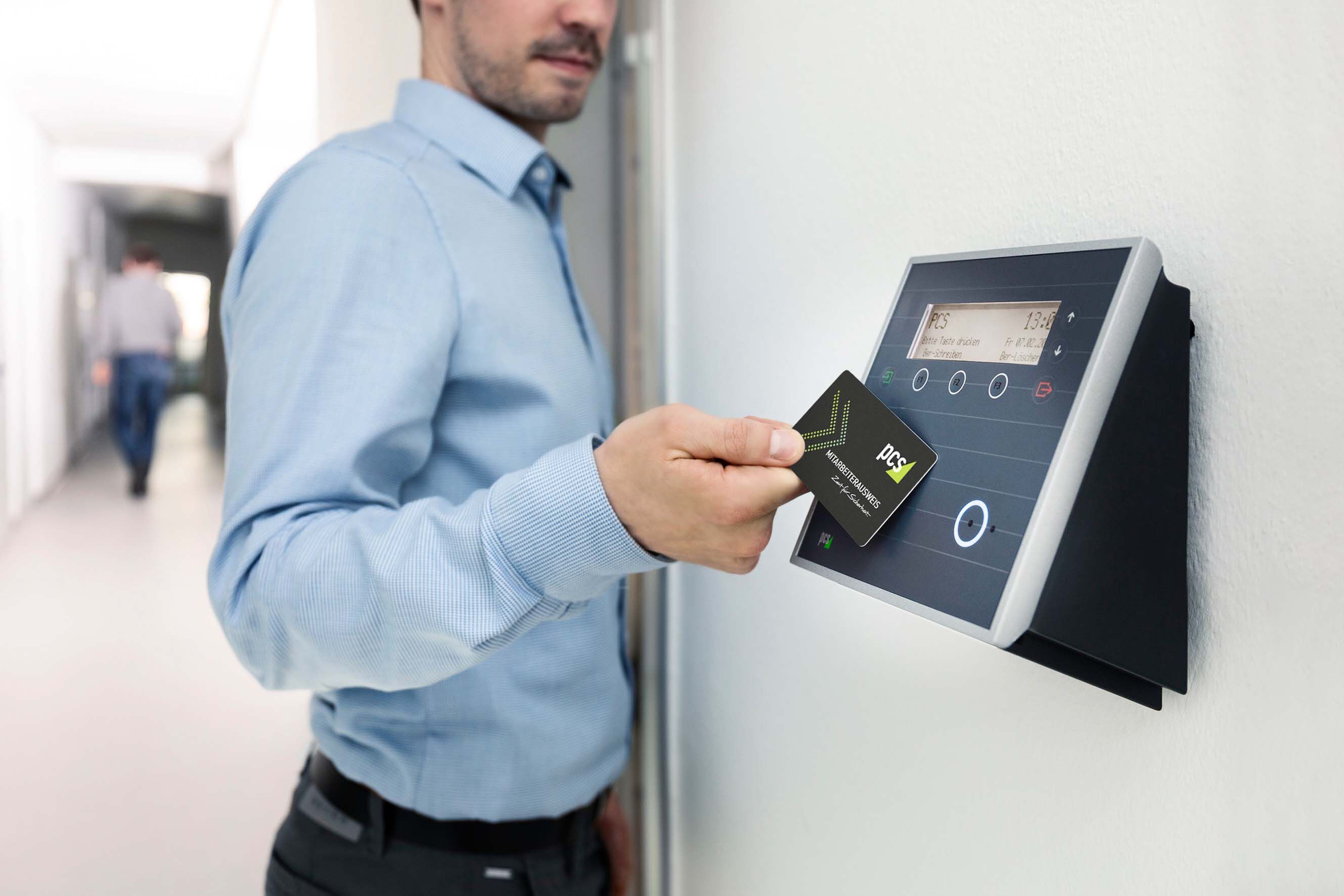
Quick Answer: Controlled Access Entry: What Building Security Really Covers comes down to one idea. Only people holding a valid credential can open the building's shared doors. That protects entrances, hallways, elevators, and amenity rooms. It doesn't replace the lock on your own apartment door, and it can't stop a neighbor from holding the door for a stranger. Apartment listings love the phrase. Almost none of them explain it. This guide to Controlled Access Entry: What Building Security Really Covers walks through the hardware, the limits, and the questions worth asking before you sign a lease. It's written for renters comparing communities in San Marcos, Texas, including The Lanes at Oslo , which serves students and working professionals near Texas State University. What Is Controlled Access Entry in an Apartment Building? Controlled access entry means the shared doors of a building stay locked, and they open only for someone with an approved credential. That credential might be a fob, a code, a card, or a phone. Visitors get in when a resident lets them in. Everyone else stays outside the building envelope. Notice what that definition leaves out. It says nothing about guards, cameras, or patrols. Some communities add those. Many don't. The term describes a locked perimeter around common space and a managed list of who holds a way through it. Building Access Control Is About Shared Doors Think of building access control as the layer between the street and your hallway. Your apartment door is a second, separate layer. A burglar who beats one still faces the other, which is the whole point of stacking them. How Do Building Access Control Systems Work? Building access control systems have three parts: a credential the resident carries, a reader at the door, and software where management adds or removes people. When you move out, the office switches off your credential instead of changing a lock. That one detail is the biggest practical difference from a building that runs on metal keys. Entry Method How It Opens the Door Where It Works Well Main Limit Key fob or card Tap on a reader Lobbies, elevators, gyms Can be lost or lent out Keypad code Type a PIN Side doors, gates Codes get shared Phone credential App or Bluetooth unlock Main entries, guest passes Depends on a charged phone Intercom or call box Resident buzzes a visitor in Guests and deliveries Relies on residents checking who it is Metal key Mechanical lock Individual apartment doors No record of use, hard to cancel Key Fob Entry Key fob entry is the version most renters have used. A small plastic tag carries a chip, the reader checks it against the approved list, and the door releases for a few seconds. Lose one and the office can cancel it the same day. The weak spot is human: a fob handed to a friend works exactly as well as one in your own pocket. Keyless Entry Apartments Keyless entry apartments go one step further and put a smart lock or keypad on the unit door itself. Convenient? Yes. You can't lock yourself out by forgetting a key. Still, ask what happens during a power or internet outage, and whether a physical backup key exists. What Does Apartment Access Control Actually Cover? Apartment access control covers the spaces every resident shares. In a typical mid-rise that means the main entrance, stairwells, elevators, the mail and package area, and amenity rooms. It narrows who can wander those spaces, and in many systems it leaves a time-stamped record of which credential opened which door. Here's the honest part. No reader can tell the difference between a resident and the person walking in two steps behind them. The federal Cybersecurity and Infrastructure Security Agency makes the same point about physical security in general: every member of a community acts as a first line of defense . A propped door defeats the best hardware on the market. What Access Control Leaves to You and Your Lease Access control at the building door doesn't change what Texas law requires inside your unit. The Texas Attorney General's office notes that, with some exceptions, a rental dwelling must have security devices such as keyed deadbolts, window latches, and door viewers , installed at the landlord's expense. Check those on move-in day, and report anything missing in writing. Some numbers help keep this in proportion. The Bureau of Justice Statistics found the national household burglary rate fell 56% between 1994 and 2011 , from 63.4 to 27.6 victimizations per 1,000 households. Its Criminal Victimization, 2023 report, published in September 2024, puts the share of U.S. households that experienced burglary or trespassing that year at about 1%. Those are national figures. They say nothing about one building or one street, so treat any single feature as a way to lower risk, never as a promise. Controlled Access Apartments vs. Gated Community Security Controlled access apartments lock the building. Gated community security locks the property line, usually with a vehicle gate at the driveway. The two get confused constantly, and they solve different problems. A gate slows down cars. It does little about someone on foot, and gates tend to stand open during repairs or busy move-in weekends. A locked building, by contrast, puts the barrier closer to your front door and your packages. If you can only have one, most apartment renters get more from the building layer. Having both is better. Neither one is a substitute for locking your own deadbolt. What The Lanes at Oslo Lists The Lanes at Oslo lists a controlled access entry building, a 24-hour package locker system, and an elevator among its community amenities. The website doesn't spell out the credential type or visitor process, so ask the leasing team directly. You can browse the photo gallery to see the entry and common areas, compare studio and one-bedroom floor plans , and check the neighborhood map and directions before you visit. Frequently Asked Questions 1. Is controlled access the same as a gated community? No. Controlled access usually refers to locked building doors that open with a credential. A gated community has a barrier at the vehicle entrance to the property. Some communities have both and some have only one, so ask which doors and gates are locked, and during which hours. 2. What should I ask about building security on an apartment tour? Which doors are locked around the clock, and which are only locked after office hours? What credential do residents use, and what does a replacement involve? How do guests and delivery drivers get in? How quickly is a lost fob or code switched off? Who do I contact if an entry door isn't latching? 3. Does controlled access prevent package theft? It helps, since fewer people can reach the mail area. A package locker system adds a second step, because each delivery sits behind its own door until the resident retrieves it. Packages left in an open lobby are still exposed to anyone who's inside the building, including guests. 4. Can a landlord see when I enter the building? Often, yes. Many electronic systems log which credential opened a door and when. Policies on who can view those records and how long they're kept vary by property and system. If privacy matters to you, ask the leasing office how entry logs are handled before you sign. 5. What happens if I lose my key fob? Tell the office right away. With an electronic system, staff can deactivate the missing fob so it no longer opens anything, then issue a new one. Replacement terms differ by community, so read that section of your lease rather than assuming. Conclusion A locked lobby is a real benefit, and it's also only one layer. Pair it with a working deadbolt, neighbors who don't prop doors, and a few direct questions on your tour. If you'd like to see how it works at a San Marcos community near Texas State, contact the leasing office at The Lanes at Oslo and ask them to walk you through the entry. That's the short version of Controlled Access Entry: What Building Security Really Covers.

Read more
Package Theft in College Towns: Smart Ways to Protect Mail-image

Quick Answer: Package theft in college towns happens when boxes sit unattended during class hours and school breaks. Shorten that window: turn on delivery notifications, send orders to a package locker or pickup point, add a signature requirement for expensive items, and collect boxes the same day. If one goes missing, contact the retailer first, then the carrier and police. Textbooks on Tuesday, a care package from home on Friday. Students order a lot, and most of it lands while they're in class. That gap is what package theft in college towns feeds on, and a few free settings plus the right delivery spot will close most of it. This guide is written for renters in San Marcos, Texas, where The Lanes at Oslo serves students and working residents 3.7 miles from Texas State University. What is package theft in college towns? Package theft in college towns is the stealing of delivered boxes from doorsteps, breezeways, lobbies and mailrooms in neighborhoods full of student renters. A 2025 white paper from the USPS Office of Inspector General put the national count at 58 million or more stolen packages in 2024, with losses estimated as high as $16 billion. Those figures come from consumer surveys, and nobody publishes a count for college towns specifically. Why porch piracy follows the semester calendar Porch piracy needs a visible box and time. A college town supplies both on a schedule: move-in week brings a wave of furniture and electronics orders, classes keep residents away for hours, and winter break empties buildings while late holiday orders are still arriving. A Postal Service official told the Inspector General's researchers that the longer an item sits out, the greater the chance it gets taken. How apartment package theft is different Apartment package theft rarely looks like the viral clip of someone sprinting off a porch. Boxes get left in open breezeways or stacked in a lobby, where anyone who follows a resident through the door can walk past them. There is one upside to apartment living. A building can fix the problem for every resident at once with package lockers or controlled access entry. How do you stop package theft before it happens? You stop package theft by cutting the time a box spends unattended and by choosing where it lands. The cheapest defenses against package theft in college towns are settings already on your phone. The U.S. Postal Inspection Service says the same thing in its mail and package theft tips : don't leave deliveries sitting for any length of time. Turn on package tracking and delivery notifications Package tracking only helps if it reaches you in real time. Turn on delivery notifications in each carrier and retailer app you use, so your phone buzzes the moment a box is scanned as delivered. For Postal Service mail, USPS Informed Delivery is free and shows incoming packages in a daily email or the app. One caveat for renters: USPS says some apartment buildings don't have uniquely coded addresses, so check eligibility when you sign up. Choose a delivery box, package locker or pickup point Where the box lands matters most. Here is how the options compare for apartment renters. Option Cost to you What it does The catch Delivery notifications Free Tells you the moment a package arrives Someone still has to pick it up soon Apartment package locker Included where a community has one Holds the box behind a lock until you collect it Depends on your building offering it Carrier pickup point or Post Office hold Varies by carrier Keeps the box off your doorstep entirely You make a trip to get it Signature on delivery Varies by carrier and retailer Carrier won't leave the box unsigned Missed delivery if nobody is home Best mix for apartment renters Low or none Locker or pickup point, plus notifications Add a signature for high-value orders A personal delivery box suits a house. In an apartment hallway it's rarely practical, and the Inspector General's report notes that carriers have no obligation to use one. The Lanes at Oslo lists a 24-hour package locker system and controlled access entry among its community amenities. Ask the leasing team how pickup works, and see the building first in the photo gallery and virtual tour . When signature required is worth it Signature required delivery means the carrier won't leave the box unless someone signs for it. It's the strongest protection for a single order and the least convenient, since a missed driver means a second attempt or a trip to pick it up. Use it for the laptop, not the phone case. Is a doorbell camera worth it for renters? A doorbell camera records who took the box. It doesn't stop them. The footage does help with a police report or a retailer claim. Before you buy one, read your lease and ask the leasing office, because apartment communities often limit what residents can mount on doors or in shared hallways. What should you do if a package is stolen in San Marcos? Start with the retailer, then the carrier, then law enforcement. Retailers often cover the refund or replacement, so that's the fastest way to get your item back. A police report still creates a record, and Texas was the first state to raise penalties specifically for porch piracy, according to the Inspector General's report. Who you report to depends on the carrier. Federal penalties apply when the stolen item was U.S. Mail, and you can report mail theft to postal inspectors online or at 1-877-876-2455. Theft of a private carrier's package is typically handled locally, which here means the San Marcos Police Department. Watch for fake delivery texts Thieves don't always need your doorstep. Fake package delivery messages, usually posing as the U.S. Postal Service, were the most reported text scam of 2024, according to the Federal Trade Commission . People reported $470 million in losses to text scams overall that year. The FTC has also warned about "waiting package" texts aimed at college students returning to campus. Got a text about a package you weren't expecting? Don't tap the link. Frequently Asked Questions 1. Is package theft a felony in Texas? It can be. Texas House Bill 37, in effect since September 2019, made package theft a felony under certain circumstances, depending on how many addresses were targeted. Smaller cases can still be charged as misdemeanors. Federal penalties apply separately when the stolen item was U.S. Mail. 2. Who pays for a stolen package? Start with the retailer. In a 2021 Consumer Reports survey cited by the USPS Office of Inspector General, 58 percent of theft victims contacted the retailer for a refund or replacement. Retailers often absorb the cost, though policies differ, so file quickly. 3. When is package theft in college towns at its worst? Risk follows delivery volume and empty buildings. The USPS Office of Inspector General reports more theft during the holiday delivery season, which overlaps with winter break. If you're leaving town, pause orders or send them to a pickup point until you're back. 4. How do I report a stolen package? Work through these steps in order and keep your tracking number handy. Check the delivery photo, then ask neighbors and the leasing office in case it was misdelivered. File a claim with the retailer. Notify the carrier. For USPS items, report it to the Postal Inspection Service. File a report with local police. 5. Should you click a link in a delivery text? No, not if the text arrived unexpectedly. The Federal Trade Commission says never to click links in unexpected texts. If a message might be real, open the carrier's official app yourself and check the tracking number there. Forward scam texts to 7726 (SPAM). Conclusion: secure deliveries start with where you live Package theft in college towns comes down to time and visibility. Shrink both and most of the risk goes with them. Notifications cost nothing, and a locker or pickup point takes the box off the doorstep altogether. If you're apartment hunting in San Marcos, put secure deliveries on your tour checklist. The Lanes at Oslo has studio and one-bedroom floor plans with a 24-hour package locker system on site. Find the community on the neighborhood map , then contact the leasing office to schedule a visit.

Read more