Quick Answer: Controlled Access Entry: What Building Security Really Covers comes down to one idea. Only people holding a valid credential can open the building's shared doors. That protects entrances, hallways, elevators, and amenity rooms. It doesn't replace the lock on your own apartment door, and it can't stop a neighbor from holding the door for a stranger.
Apartment listings love the phrase. Almost none of them explain it. This guide to Controlled Access Entry: What Building Security Really Covers walks through the hardware, the limits, and the questions worth asking before you sign a lease. It's written for renters comparing communities in San Marcos, Texas, including The Lanes at Oslo, which serves students and working professionals near Texas State University.
What Is Controlled Access Entry in an Apartment Building?
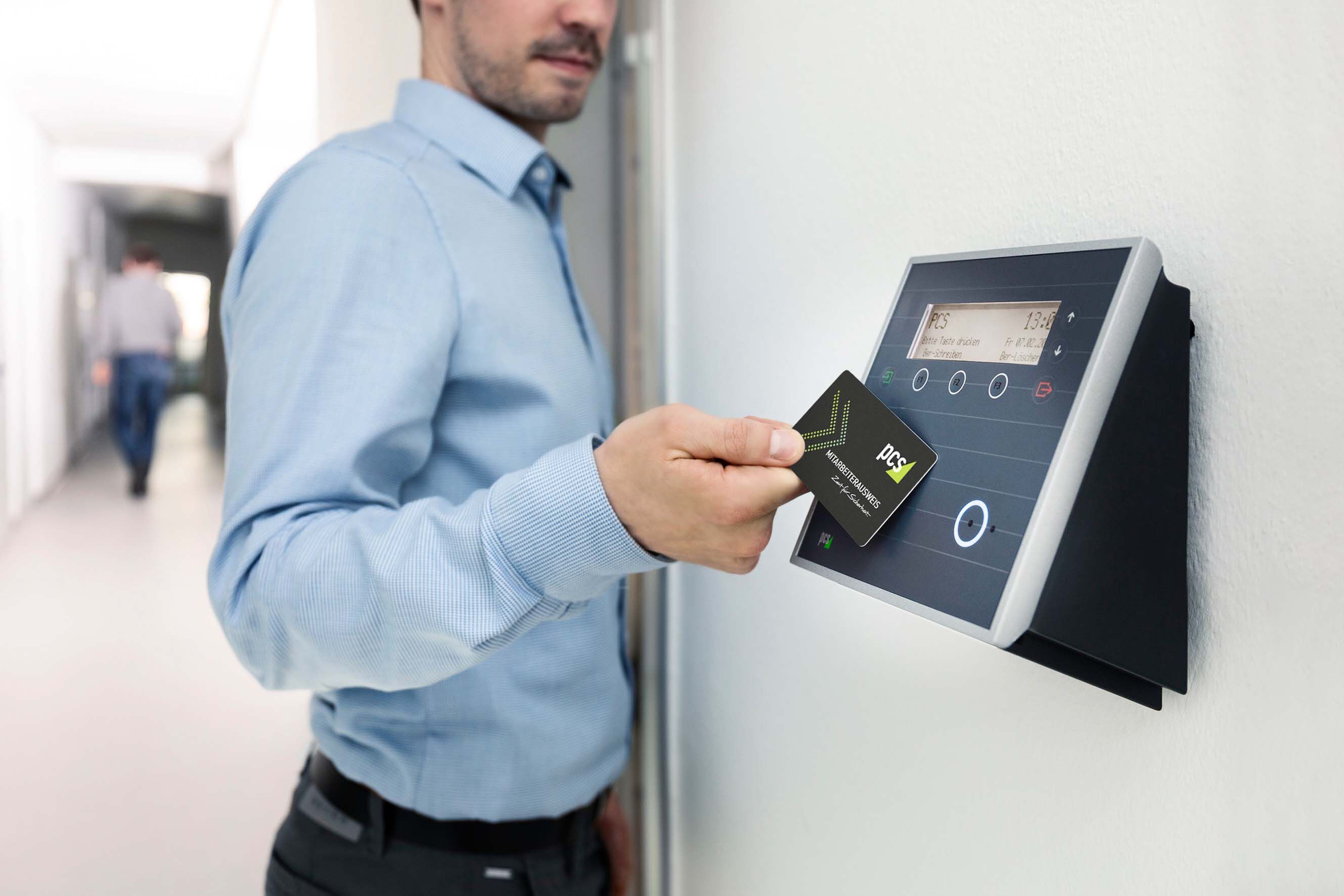
Controlled access entry means the shared doors of a building stay locked, and they open only for someone with an approved credential. That credential might be a fob, a code, a card, or a phone. Visitors get in when a resident lets them in. Everyone else stays outside the building envelope.
Notice what that definition leaves out. It says nothing about guards, cameras, or patrols. Some communities add those. Many don't. The term describes a locked perimeter around common space and a managed list of who holds a way through it.
Building Access Control Is About Shared Doors
Think of building access control as the layer between the street and your hallway. Your apartment door is a second, separate layer. A burglar who beats one still faces the other, which is the whole point of stacking them.
How Do Building Access Control Systems Work?
Building access control systems have three parts: a credential the resident carries, a reader at the door, and software where management adds or removes people. When you move out, the office switches off your credential instead of changing a lock. That one detail is the biggest practical difference from a building that runs on metal keys.
| Entry Method | How It Opens the Door | Where It Works Well | Main Limit |
|---|---|---|---|
| Key fob or card | Tap on a reader | Lobbies, elevators, gyms | Can be lost or lent out |
| Keypad code | Type a PIN | Side doors, gates | Codes get shared |
| Phone credential | App or Bluetooth unlock | Main entries, guest passes | Depends on a charged phone |
| Intercom or call box | Resident buzzes a visitor in | Guests and deliveries | Relies on residents checking who it is |
| Metal key | Mechanical lock | Individual apartment doors | No record of use, hard to cancel |
Key Fob Entry
Key fob entry is the version most renters have used. A small plastic tag carries a chip, the reader checks it against the approved list, and the door releases for a few seconds. Lose one and the office can cancel it the same day. The weak spot is human: a fob handed to a friend works exactly as well as one in your own pocket.
Keyless Entry Apartments
Keyless entry apartments go one step further and put a smart lock or keypad on the unit door itself. Convenient? Yes. You can't lock yourself out by forgetting a key. Still, ask what happens during a power or internet outage, and whether a physical backup key exists.
What Does Apartment Access Control Actually Cover?
Apartment access control covers the spaces every resident shares. In a typical mid-rise that means the main entrance, stairwells, elevators, the mail and package area, and amenity rooms. It narrows who can wander those spaces, and in many systems it leaves a time-stamped record of which credential opened which door.
Here's the honest part. No reader can tell the difference between a resident and the person walking in two steps behind them. The federal Cybersecurity and Infrastructure Security Agency makes the same point about physical security in general: every member of a community acts as a first line of defense. A propped door defeats the best hardware on the market.
What Access Control Leaves to You and Your Lease
Access control at the building door doesn't change what Texas law requires inside your unit. The Texas Attorney General's office notes that, with some exceptions, a rental dwelling must have security devices such as keyed deadbolts, window latches, and door viewers, installed at the landlord's expense. Check those on move-in day, and report anything missing in writing.
Some numbers help keep this in proportion. The Bureau of Justice Statistics found the national household burglary rate fell 56% between 1994 and 2011, from 63.4 to 27.6 victimizations per 1,000 households. Its Criminal Victimization, 2023 report, published in September 2024, puts the share of U.S. households that experienced burglary or trespassing that year at about 1%. Those are national figures. They say nothing about one building or one street, so treat any single feature as a way to lower risk, never as a promise.
Controlled Access Apartments vs. Gated Community Security
Controlled access apartments lock the building. Gated community security locks the property line, usually with a vehicle gate at the driveway. The two get confused constantly, and they solve different problems. A gate slows down cars. It does little about someone on foot, and gates tend to stand open during repairs or busy move-in weekends.
A locked building, by contrast, puts the barrier closer to your front door and your packages. If you can only have one, most apartment renters get more from the building layer. Having both is better. Neither one is a substitute for locking your own deadbolt.
What The Lanes at Oslo Lists
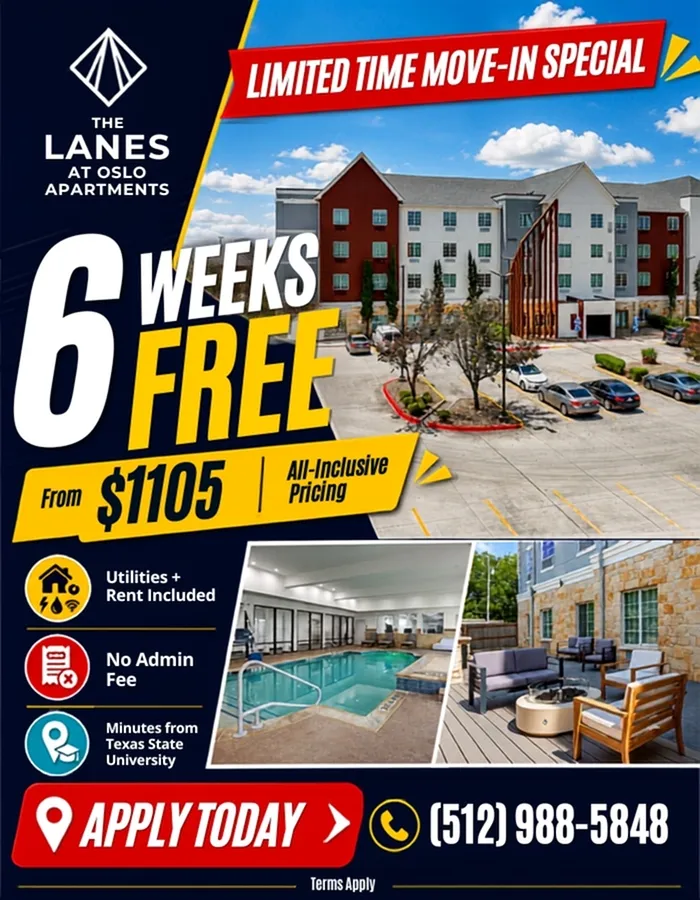
The Lanes at Oslo lists a controlled access entry building, a 24-hour package locker system, and an elevator among its community amenities. The website doesn't spell out the credential type or visitor process, so ask the leasing team directly. You can browse the photo gallery to see the entry and common areas, compare studio and one-bedroom floor plans, and check the neighborhood map and directions before you visit.
Frequently Asked Questions
1. Is controlled access the same as a gated community?
No. Controlled access usually refers to locked building doors that open with a credential. A gated community has a barrier at the vehicle entrance to the property. Some communities have both and some have only one, so ask which doors and gates are locked, and during which hours.
2. What should I ask about building security on an apartment tour?
- Which doors are locked around the clock, and which are only locked after office hours?
- What credential do residents use, and what does a replacement involve?
- How do guests and delivery drivers get in?
- How quickly is a lost fob or code switched off?
- Who do I contact if an entry door isn't latching?
3. Does controlled access prevent package theft?
It helps, since fewer people can reach the mail area. A package locker system adds a second step, because each delivery sits behind its own door until the resident retrieves it. Packages left in an open lobby are still exposed to anyone who's inside the building, including guests.
4. Can a landlord see when I enter the building?
Often, yes. Many electronic systems log which credential opened a door and when. Policies on who can view those records and how long they're kept vary by property and system. If privacy matters to you, ask the leasing office how entry logs are handled before you sign.
5. What happens if I lose my key fob?
Tell the office right away. With an electronic system, staff can deactivate the missing fob so it no longer opens anything, then issue a new one. Replacement terms differ by community, so read that section of your lease rather than assuming.
Conclusion
A locked lobby is a real benefit, and it's also only one layer. Pair it with a working deadbolt, neighbors who don't prop doors, and a few direct questions on your tour. If you'd like to see how it works at a San Marcos community near Texas State, contact the leasing office at The Lanes at Oslo and ask them to walk you through the entry. That's the short version of Controlled Access Entry: What Building Security Really Covers.