
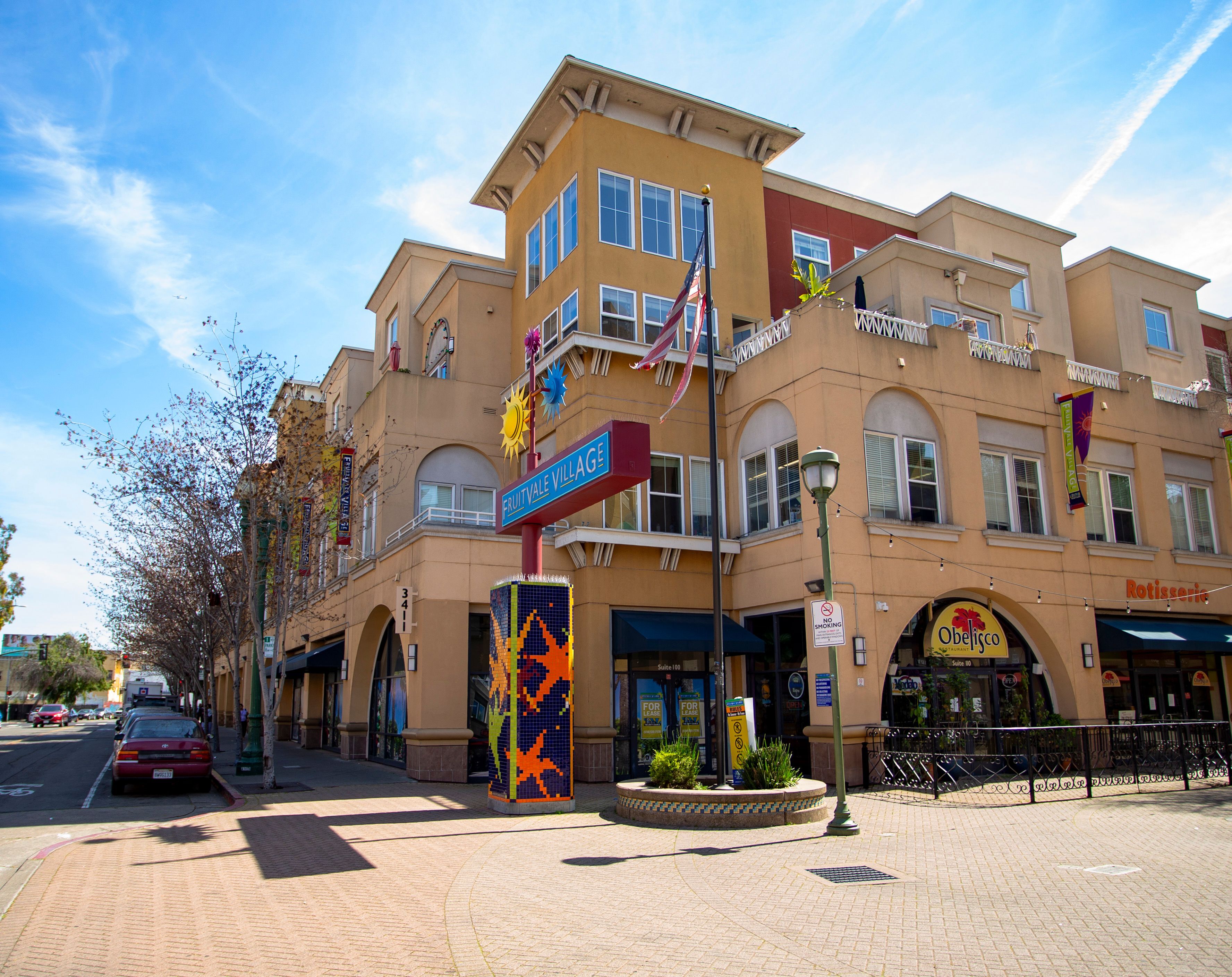
Quick Answer: Living in San Marcos as a Young Professional means paying well under Austin rent, driving about 30 miles to a metro job market, and having a spring-fed river in your backyard. The city counted 77,830 residents as of July 2025. Expect a college-town rhythm, cheap weeknights, and a busy I-35.
San Marcos sits at the halfway mark between Austin and San Antonio, roughly 30 miles south of downtown Austin on Interstate 35. That location is the entire pitch. Living in San Marcos as a Young Professional gives you Hill Country rent with metro-level career access, and The Lanes at Oslo serves renters across San Marcos, TX with studio and one bedroom apartments right off that corridor.
What to Look For Before You Move to San Marcos, TX
Check three things before you sign: how far your actual office is once I-35 traffic is factored in, whether your rent stays under 30% of take-home pay, and how close you are to the parts of town you will use on a Tuesday night. Everything else is negotiable.
The Commute Math Nobody Tells You
The U.S. Census Bureau puts the mean travel time to work for San Marcos workers at 24.0 minutes across 2020 to 2024. That number is reassuring and slightly misleading. It includes the large share of residents who work in town at the university, the hospital, or the outlet centers. If you are driving to a north Austin office park, plan for 50 to 75 minutes in the morning, not 24.
Southbound to San Antonio is usually the easier run.
Test the drive yourself before you commit. Leave from the address you are considering at 7:30 on a Tuesday morning and see what the on-ramp looks like, because a listing three minutes closer to the interstate can be worth more to you than an extra 100 square feet.
The regional job pool is real. The Bureau of Labor Statistics counted about 1,432,100 nonfarm jobs in the Austin-Round Rock-San Marcos metro area in June 2026, with a 4.1% preliminary unemployment rate. You are not moving to an isolated small town. You are moving to the cheap end of a large metro.
Rent Against Income
Median household income in the city was $51,281 in the Census Bureau's 2020 to 2024 estimates, and median gross rent was $1,322. Those figures are pulled down by the student population, so they are a floor rather than a forecast for a working professional. If you earn a typical Austin-metro salary and pay San Marcos rent, the gap is where the appeal lives. Tour the available studio and one bedroom layouts before you assume you need more square footage than you do.
What Is the San Marcos TX Population, and Who Actually Lives There?
San Marcos had 77,830 residents as of July 1, 2025, according to Census Bureau QuickFacts. Households average 2.28 people, and 38.3% of adults 25 and older hold a bachelor's degree or higher. The city is young, educated, and turns over fast because Texas State University anchors it.
San Marcos Texas Population Growth and the Age Mix
Any conversation about the population San Marcos Texas reports has to start with the university. Tens of thousands of students live here during the academic year, which skews nearly every published statistic downward: median income, median age, median rent. The San Marcos Texas population figure you see in a search snippet is not describing your neighbors in a professionally managed community off I-35.
What this means practically: August and May are chaotic, summer is quiet, and lease supply loosens in the exact months most working renters are looking. That timing is an advantage if you use it.
The reported poverty rate of 26.9% is another statistic distorted by student enrollment. Read it with that context, not as a description of the local workforce.
How Much Does an Apartment Cost in San Marcos TX US?
RentCafe data current to August 1, 2026 puts the citywide average apartment rent at $1,611 across an average unit size of 973 square feet, down 2.23% from $1,648 a year earlier. Rents falling year over year is unusual for a growing Texas city. Here is how that breaks down by unit type.
| Unit Type | Average Rent | Average Size | Best Fit |
|---|---|---|---|
| Studio | $1,020 | 419 sq ft | Hybrid or in-office workers saving aggressively |
| 1 Bedroom | $1,202 | 681 sq ft | Remote workers who need a desk that is not the bed |
| 2 Bedrooms | $1,490 | 949 sq ft | Roommates or a guest room you will actually use |
| Citywide average | $1,611 | 973 sq ft | Benchmark for judging any listing |
One caveat worth keeping: published averages differ by provider because each one samples a different set of properties. Treat any single number as a benchmark, not a quote. Ask for the all-in figure including utilities, pet rent, parking, and amenity fees before you compare two communities.
What You Get for the Money
Groceries, gas, and a night out cost noticeably less here than in Austin, and Texas charges no state income tax, which shows up in every paycheck. That is why plenty of people accept the northbound commute.
The San Marcos River runs about 72 degrees year-round, which is the single best amenity in the city and it is free. Downtown's courthouse square carries the bar and restaurant scene. Two large outlet malls sit on the south end. Weekend trips to Austin or San Antonio are short enough to be spontaneous. Look at the neighborhood map and directions to see how a specific address lines up with the river, the square, and your on-ramp.
Summers are hot and long. Winters barely register, and a light jacket covers most of December. Budget for a serious electric bill from June through September and you will not be surprised by your first August statement.
Frequently Asked Questions
1. Is San Marcos, TX good for young professionals?
It works well for a specific profile. Consider it a strong fit if you match most of these:
- You work remotely, hybrid, or in San Marcos itself rather than commuting daily to north Austin.
- You want to save money without giving up access to a large metro job market.
- You like being outdoors more than you like a dense nightlife district.
- You are comfortable living in a city where students set the social calendar.
2. What is the crime rate San Marcos TX reports?
CrimeGrade reports an overall rate of roughly 36.77 incidents per 1,000 residents annually, split between about 3.77 violent and 24.21 property offenses. Retail theft at the outlet centers inflates the property figure, since those crimes are counted against a resident population that does not include shoppers. Check crime by specific neighborhood, not citywide.
3. What is the ZIP code San Marcos TX uses?
The standard ZIP code for San Marcos, TX is 78666, which covers the entire city in Hays County. A second code, 78667, exists only for post office box delivery. If a listing shows any other ZIP code, the address is likely in an adjacent community such as Kyle, Buda, or Martindale rather than San Marcos proper.
4. How does this compare to weighing the pros and cons living in San Diego?
People researching the pros and cons living in San Diego are usually thinking of San Marcos, California, a different city in San Diego County. Texas has no state income tax and dramatically lower rent. California offers the coast and a milder summer. If you landed here by accident, the two San Marcos cities share only a name.
5. How far is San Marcos from Austin and San Antonio?
Downtown Austin is about 30 miles north on I-35 and downtown San Antonio is roughly 50 miles south. Both are day-trip distance. Traffic on I-35 through the Austin corridor is the variable that decides whether the northbound drive takes 40 minutes or well over an hour, so test your route at your real commute time.
The Bottom Line on Living in San Marcos as a Young Professional
San Marcos asks you to trade a little polish for a lot of margin. You get a river, a real downtown, and rent that leaves room in the budget, in exchange for a college-town pace and an interstate that occasionally tests your patience. For anyone building savings early in a career, that trade usually pencils out. Browse the photo gallery and virtual tour to see what a San Marcos apartment actually looks like before you drive down.