
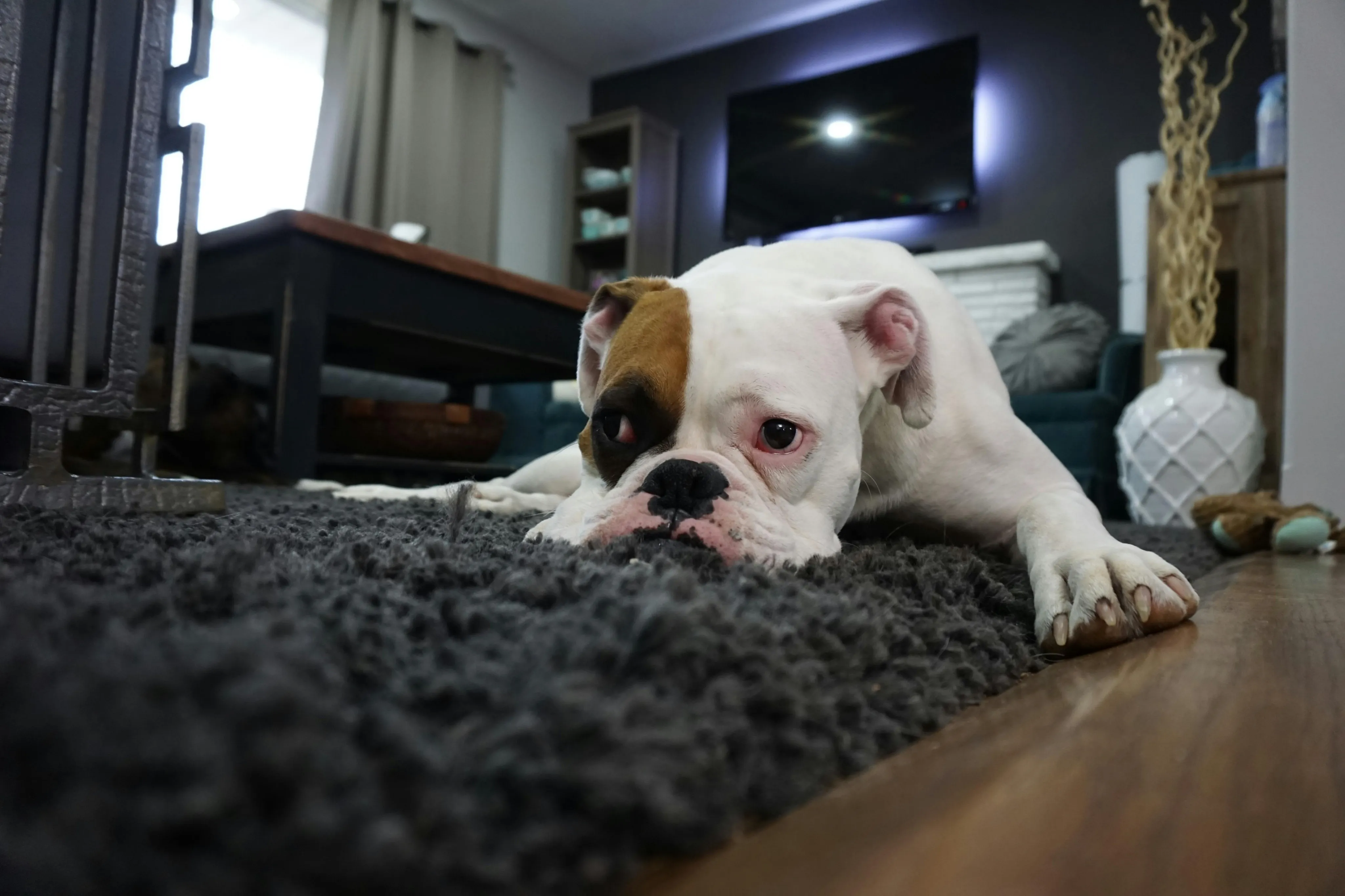
Quick Answer: Pet proofing your apartment means making your home safer for your pet while also protecting furniture, floors, cords, and other items from damage. The best approach is to remove hazards, create clear boundaries, and choose pet-friendly solutions that fit apartment living.
Whether you have a cat or a dog, the goal is the same: reduce risks, protect your space, and make daily life easier. Smart pet proofing also helps you avoid unnecessary stress and keeps your apartment looking its best.
1. Hide Cords and Wires
Pets often chew on cords, which can be dangerous and expensive. Electrical cables, charger cords, and loose wires should be kept out of reach whenever possible. This is especially important in living rooms, bedrooms, and home office areas.
Use cord organizers, clips, or protective covers to keep wires tidy and less tempting. If possible, move cords behind furniture or out of open areas entirely. A cleaner layout is safer for your pet and better for your apartment.
According to Greystar’s pet-proofing guide, keeping cords secured is one of the most important ways to protect curious pets indoors.
2. Protect Floors and Furniture
Rugs, mats, and washable covers can help protect your apartment from scratches, spills, and pet hair. If you have hardwood, laminate, or other delicate flooring, soft coverings can help reduce wear. Furniture covers are also useful for keeping couches and chairs in better condition.
Choose materials that are easy to clean and durable enough for everyday pet use. Washable fabrics are especially helpful because they make cleanup much easier after accidents or muddy paws. This is one of the simplest ways to keep your apartment looking nice without constantly worrying about damage.
Pet-friendly materials can save time and make cleaning much easier in the long run.
3. Secure Trash and Cleaning Supplies
Trash cans, cleaning products, and laundry supplies should always be kept out of reach. Pets are often drawn to food scraps, wrappers, and interesting smells, which can lead to messes or health risks. Cabinets and closets should be closed tightly whenever possible.
Child-proof latches can be a smart solution for drawers and lower cabinets that store harmful items. It is also a good idea to use a trash can with a secure lid so your pet cannot knock it over or dig through it. Small prevention steps can stop bigger problems later.
Keeping dangerous household items locked away is one of the easiest ways to create a safer apartment.
4. Create Pet Boundaries
Some areas of your apartment may be better off limits, especially if they contain valuables, breakables, or safety hazards. Baby gates or temporary barriers can help you create those boundaries without making permanent changes. This works especially well for kitchens, bathrooms, or home office spaces.
Clear boundaries also make training easier. Pets learn faster when they know which spaces are theirs and which spaces are off limits. That consistency can help reduce accidents and unwanted behavior.
A defined routine often makes apartment living smoother for both people and pets.
5. Remove Toxic or Fragile Items
Certain plants, foods, and decorative items can be dangerous for pets. Keep toxic plants out of reach or remove them altogether if you are not sure they are safe. Fragile items like glass decor, candles, and loose accessories should also be stored carefully.
Low shelves and open surfaces are easy targets for curious pets, especially cats. Moving breakable or risky items higher up can reduce accidents. A safer home is usually a less cluttered home, too.
When in doubt, keep anything chewable, breakable, or toxic out of your pet’s reach.
Why Pet Proofing Matters
Pet proofing is about more than protecting your apartment. It helps your pet stay safe and comfortable in a new environment. A thoughtful setup can reduce stress, prevent damage, and make apartment living more enjoyable for everyone.
At The Lanes at Oslo, a pet-friendly home can feel even better when it is arranged with your pet’s needs in mind. Simple changes like hiding cords, using washable covers, and securing dangerous items can make a big difference.
That is why pet proofing should be one of the first things you do after moving in.
Featured Snippet Style Definition
How do you pet proof your apartment? Pet proofing your apartment means hiding cords, protecting floors and furniture, securing trash and cleaning supplies, creating pet boundaries, and removing toxic or fragile items.
Step-by-Step Guide
- Hide cords and loose wires.
- Protect floors and furniture with washable materials.
- Secure trash cans and cleaning supplies.
- Use gates or barriers for off-limit areas.
- Remove toxic plants and fragile decor.
Comparison Table
| Pet Proofing Tip | Why It Helps | Best Result |
|---|---|---|
| Hide cords | Prevents chewing and shock hazards | Safer living space |
| Protect surfaces | Reduces scratches and stains | Cleaner apartment |
| Secure trash and cleaners | Keeps pets away from harmful items | Fewer accidents |
| Set boundaries | Teaches pets where they can go | Better behavior |
FAQ
What is the first step in pet proofing an apartment?
Start by removing hazards like loose cords, toxic plants, and accessible cleaning supplies.
How can I protect my floors from pets?
Use rugs, mats, and washable coverings to reduce scratches and spills.
Are baby gates useful in apartments?
Yes. Baby gates are a simple renter-friendly way to create safe boundaries for pets.
What items should I keep away from pets?
Keep trash, medications, cleaning products, cords, and fragile items out of reach.
Why is pet proofing important?
It helps keep pets safe while also protecting your apartment from damage.
Conclusion
Pet proofing your apartment does not have to be complicated. With a few smart changes, you can make your home safer, cleaner, and more comfortable for both you and your pet.
If you are living at The Lanes at Oslo, these simple pet proofing steps can help you enjoy apartment living while keeping your furry companion happy and safe.